
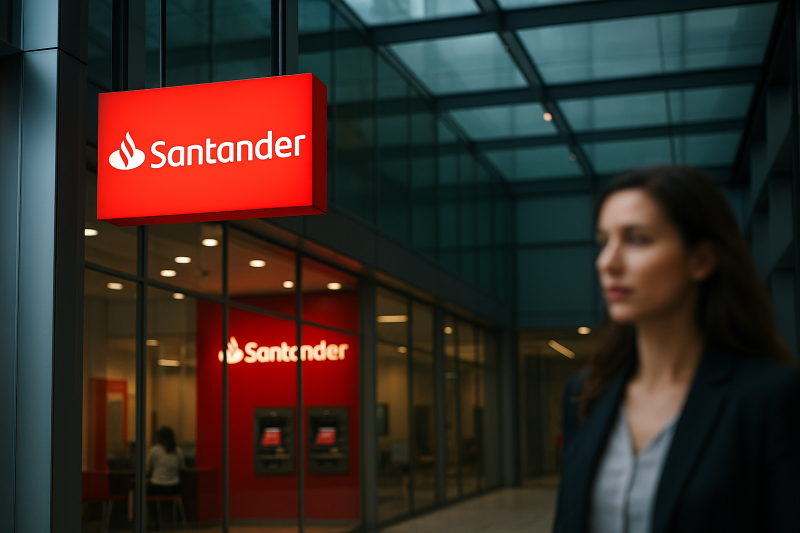
Global banking leader Banco Santander SA is evaluating plans to expand into crypto services, including offering retail crypto access and launching a stablecoin backed by fiat currencies.
According to a Bloomberg report dated May 29, Santander is considering stablecoins pegged to both the U.S. dollar and the euro. The initiative is still in its early stages but reflects growing interest among traditional banks to enter the digital asset ecosystem.
Santander’s exploration follows similar moves by JPMorgan, Bank of America, Citigroup, and Wells Fargo, all reportedly working on stablecoin-related products in the wake of favorable crypto regulation shifts under U.S. President Donald Trump’s administration.
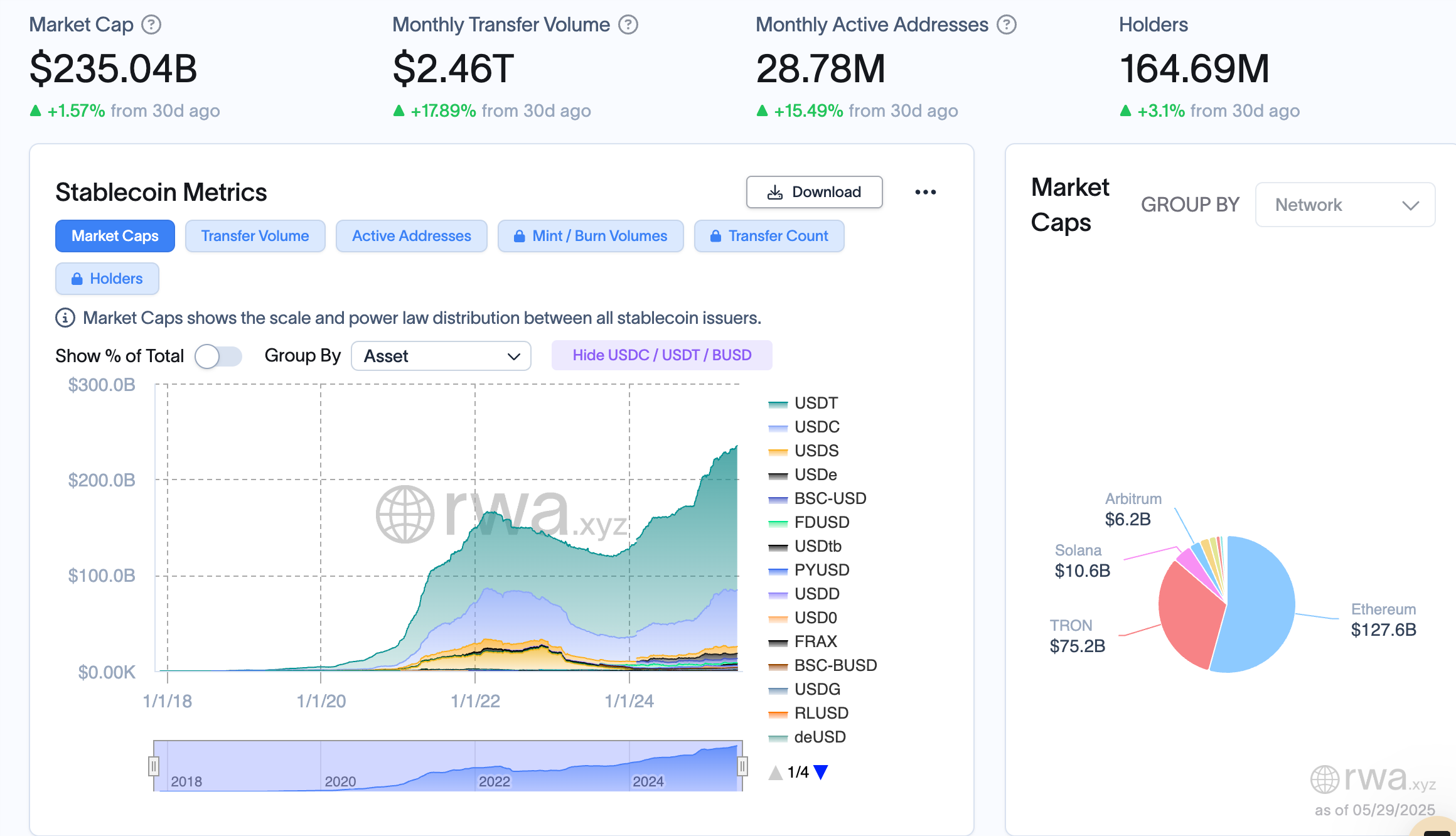
Stablecoin advocates argue that these digital assets help maintain U.S. dollar dominance, enhance capital velocity in payment systems, and improve financial inclusion by connecting unbanked populations and small businesses to global markets.
Division Within the Banking Sector
Despite rising interest from some major banks, others remain skeptical. U.S. banking lobbyists and their allies in the Senate have opposed stablecoin legislation, citing fears over lost profit margins and disruption to traditional deposit-based banking.
A key concern is yield-bearing stablecoins, which offer interest to users. U.S. Senator Kirsten Gillibrand expressed concern during the March 2025 DC Blockchain Summit:
“Do you want a stablecoin issuer to be able to issue interest? Probably not, because if they are issuing interest, there is no reason to put your money in a local bank.”
Gillibrand warned that this could destabilize loan access for households and small businesses by draining capital from banks.
Austin Campbell, a finance professor at New York University, echoed these fears, stating that yield-stablecoins undermine the foundation of fractional reserve banking by incentivizing users to exit low-interest accounts. He argued that proposed regulations restricting these products only serve the interests of the wealthy.
Disclaimer: This article is for informational purposes only and does not constitute investment or legal advice.