
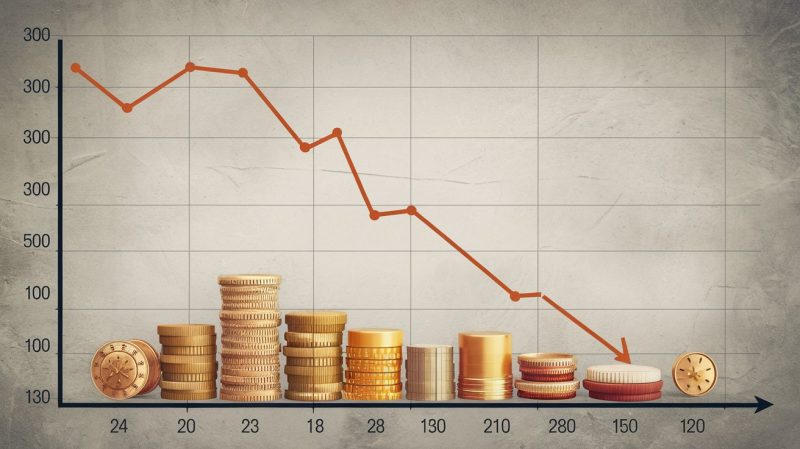
Eurozone annual inflation for February fell below expectations, reaching 2.3%. According to data released by the European Statistics Office (Eurostat), core inflation was measured at 2.6%. These figures could significantly influence the European Central Bank’s (ECB) monetary policy strategies.
On a monthly basis, consumer prices increased by 0.4%, with the service sector contributing the most to inflation. Meanwhile, declining energy prices played a key role in reducing the overall inflation rate. Analysts believe that this decline in inflation could increase the likelihood of the ECB cutting interest rates.
Implications for the ECB’s Monetary Policy
With inflation slowing, the ECB now has more flexibility in its monetary policy decisions. The market is closely monitoring whether the central bank will consider a rate cut in the coming months. However, some policymakers remain cautious, emphasizing the need for a stable economic outlook before making any drastic decisions.
While a rate cut in June or July appears likely, the ECB must also consider external factors such as the policies of the U.S. Federal Reserve (Fed). The Fed’s decisions on interest rates and liquidity management could indirectly influence the ECB’s stance, as global economic conditions remain interconnected.
Economic Growth and Inflation Outlook
Despite the slowdown in inflation, concerns about economic growth persist. Some analysts warn that overly restrictive monetary policies could hamper economic expansion, while others argue that inflationary pressures must be fully contained before easing interest rates.
In summary, the gradual decline in inflation across the Eurozone could provide the ECB with some policy flexibility. While a rate cut in June remains a possibility, the central bank is expected to conduct a thorough analysis before making any final decisions. Investors and economic experts will continue to closely follow upcoming ECB announcements.





